Preparing Your Cranberry Township Home To Stand Out
June 18, 2026
June 18, 2026
Wondering why some Cranberry Township homes get strong attention right away while others sit longer than expected? In a market where buyers often start online and homes in ZIP code 16066 are generally trading close to asking, the way your home looks before it hits the market can shape everything that follows. If you want your sale to feel more organized, more strategic, and more polished, the right prep plan can make a real difference. Let’s dive in.
Cranberry Township is a well-known Butler County community with more than 35,000 residents, major road access, and a mix of parks, recreation amenities, and established residential areas. That means buyers are not only comparing your home to nearby listings, but also to the overall lifestyle and presentation they expect in this market.
Current market snapshots place Cranberry Township and ZIP code 16066 in the mid-$400,000s, with sources showing values and sale prices ranging from the mid-$425,000s to upper-$470,000s. The exact figure varies by source, but the takeaway is consistent: pricing and presentation both matter, and homes are generally selling close to list price.
Just as important, buyers are shopping online first. Recent National Association of Realtors reporting says 52% of buyers found the home they purchased online, and 81% said listing photos were the most useful feature during their search. Your home needs to make a strong impression before a showing is ever scheduled.
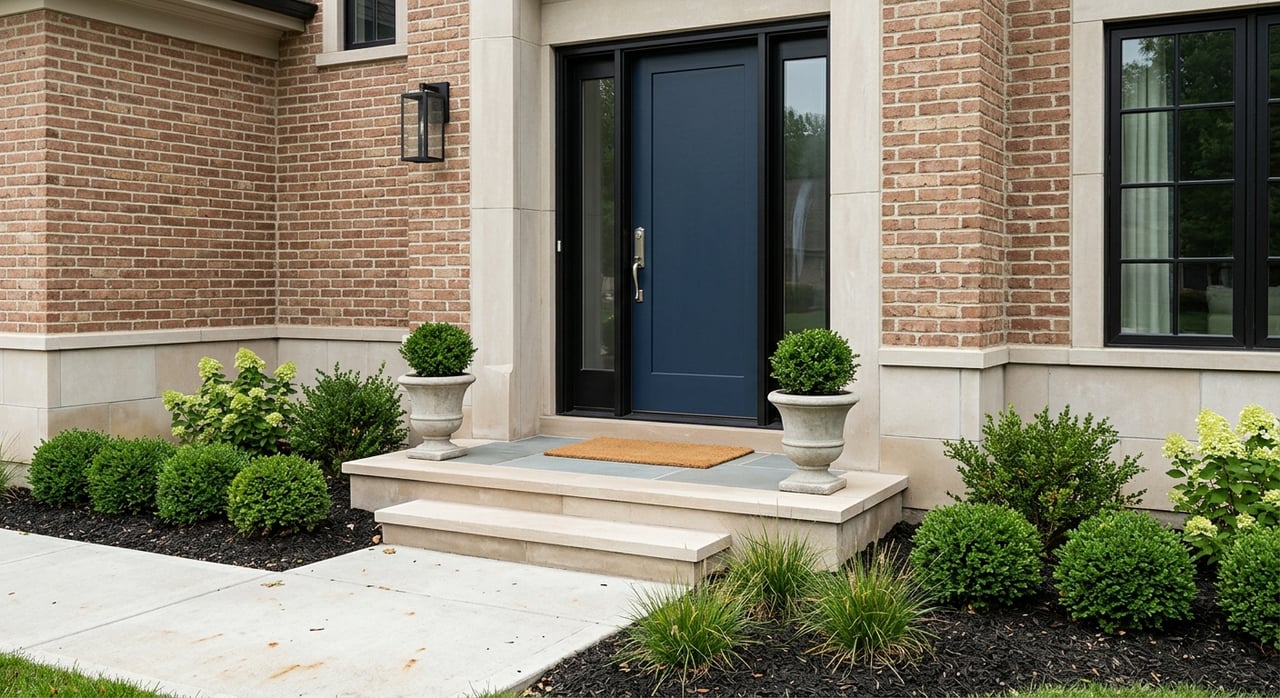
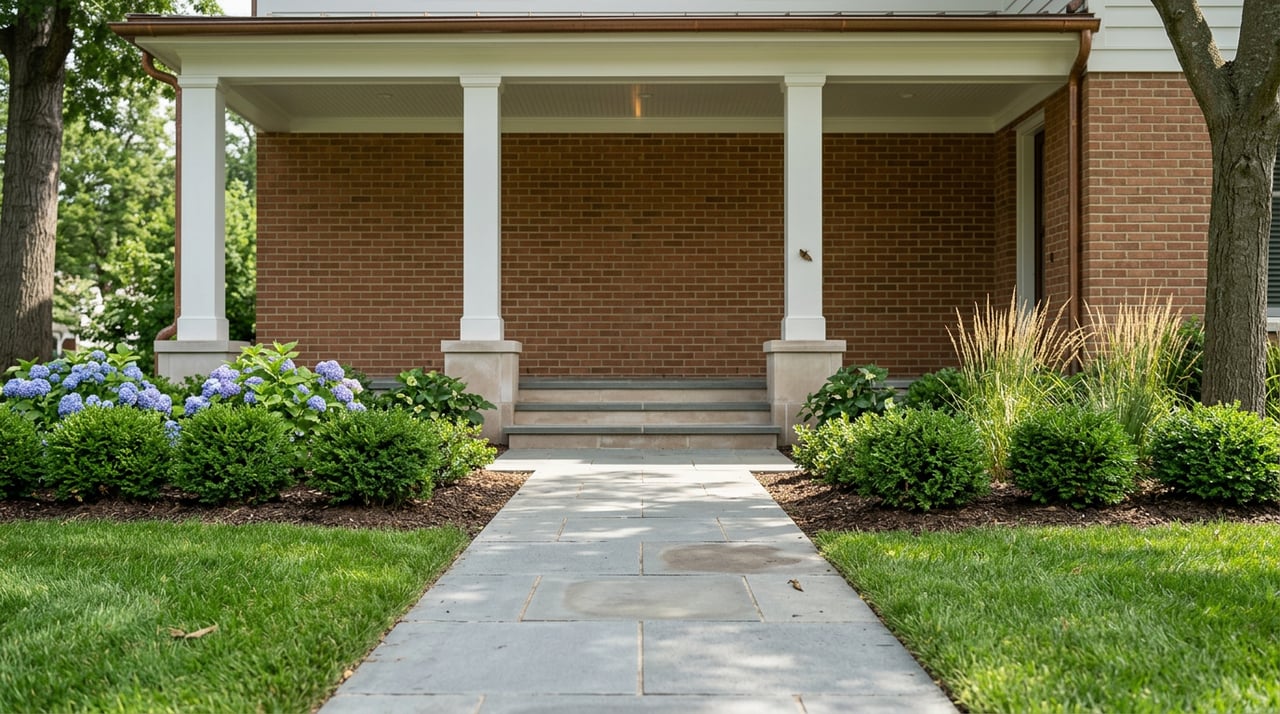
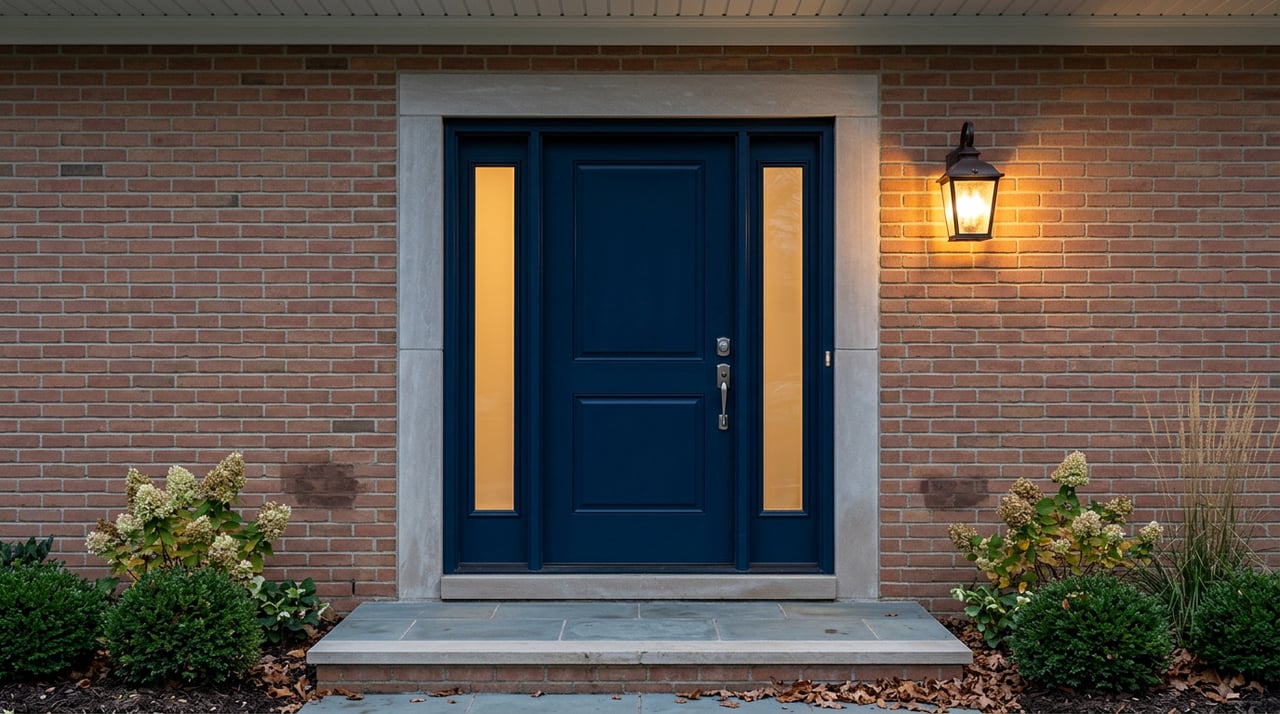
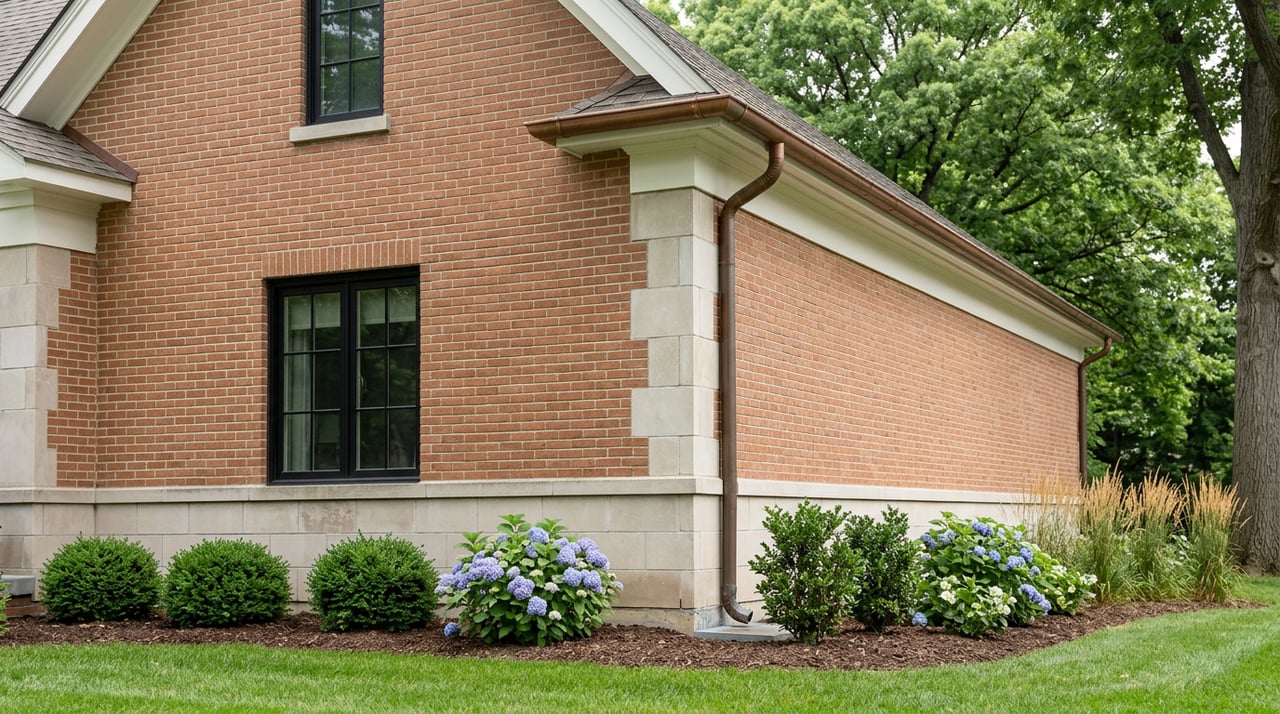
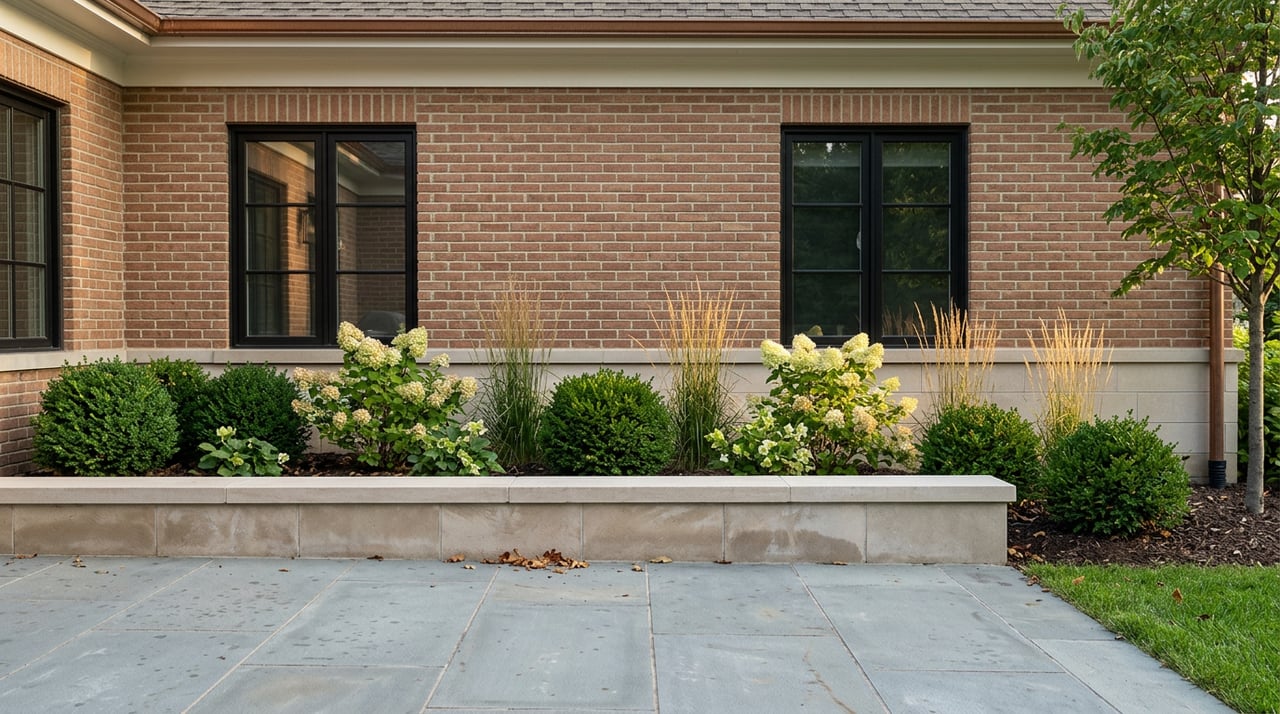
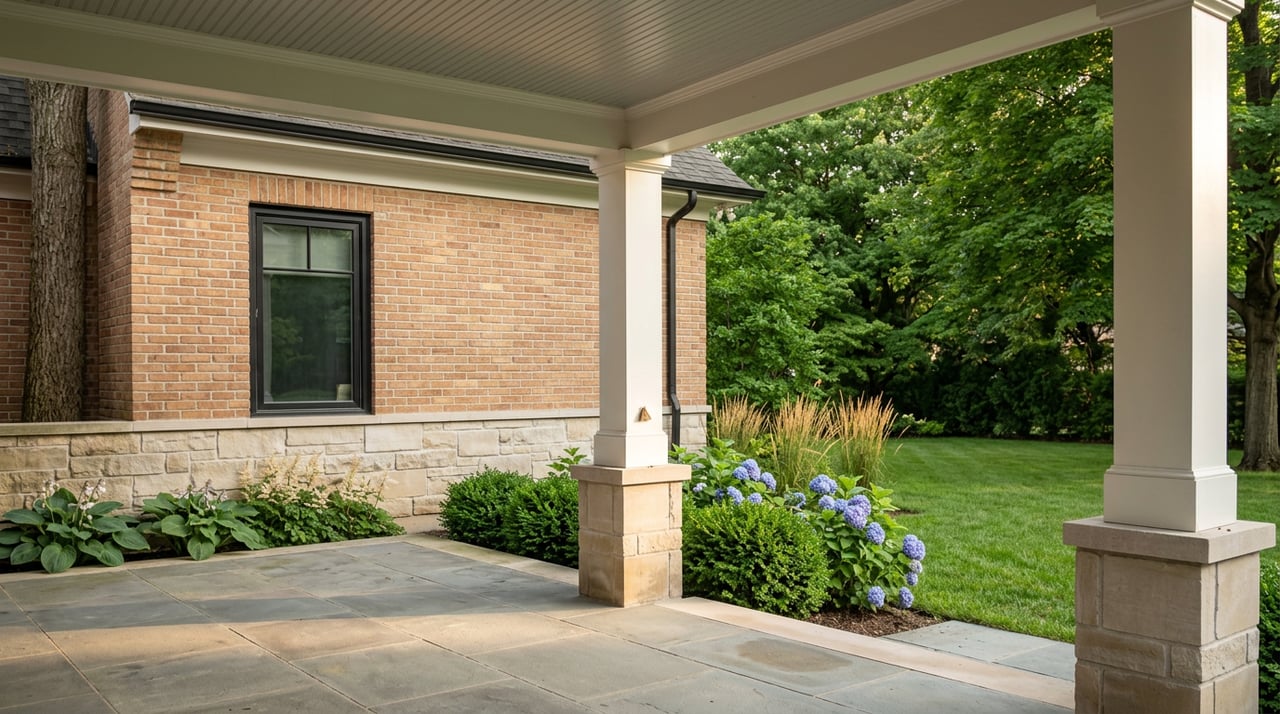
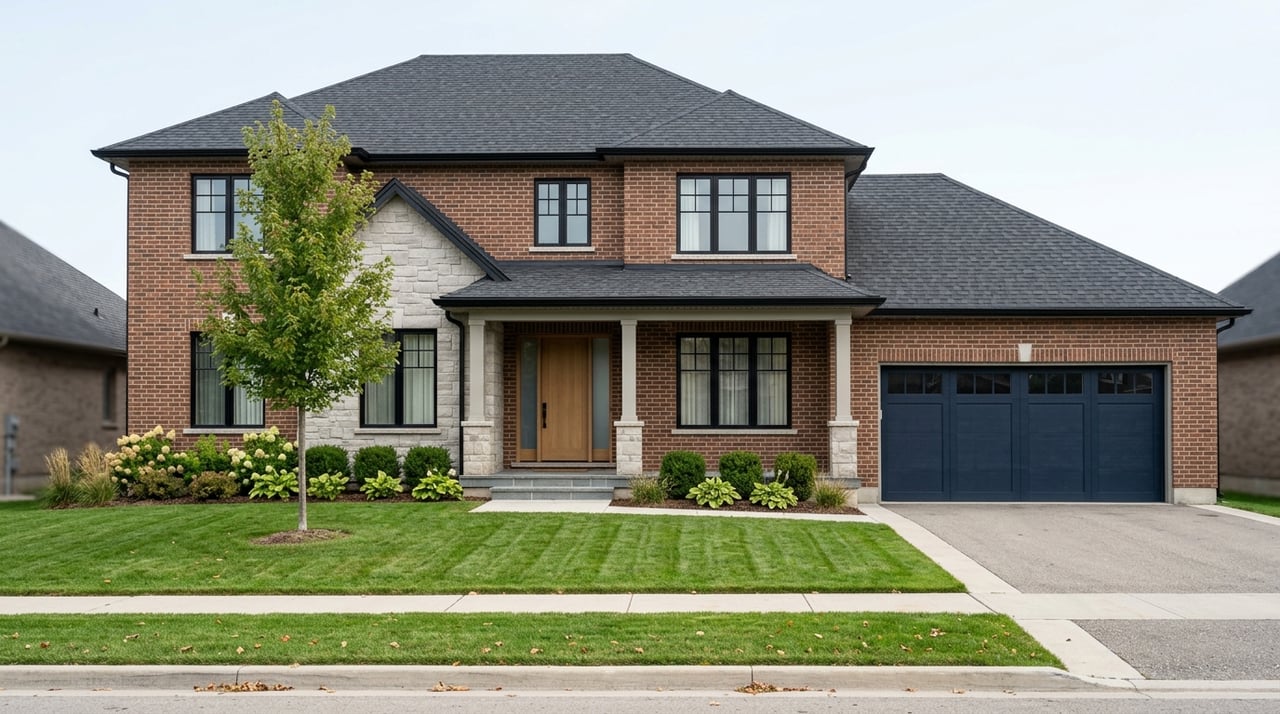
Your exterior sets the tone for the entire listing. Buyers often make their first judgment from the lead photo, so the goal is to make your home look bright, clean, and clearly cared for from the street.
In most cases, that does not require a major renovation. It usually means handling the visible basics well and removing distractions that can make the home feel less maintained.
Before photos or showings, prioritize tasks like:
These details may feel minor when you live in the home every day, but they can stand out quickly in photos. A clean, simple exterior helps buyers focus on the home itself instead of small maintenance concerns.
If you are thinking about adding a fence, deck, enclosed porch, or another visible improvement before listing, pause before starting. Cranberry Township requires permits for some residential projects, including decks over 30 inches above grade and certain fences in front-yard setback areas.
The township also notes that homeowners should check HOA requirements before applying for permits. If a project is not essential to the sale, you may be better off focusing on maintenance and presentation rather than taking on a last-minute improvement.
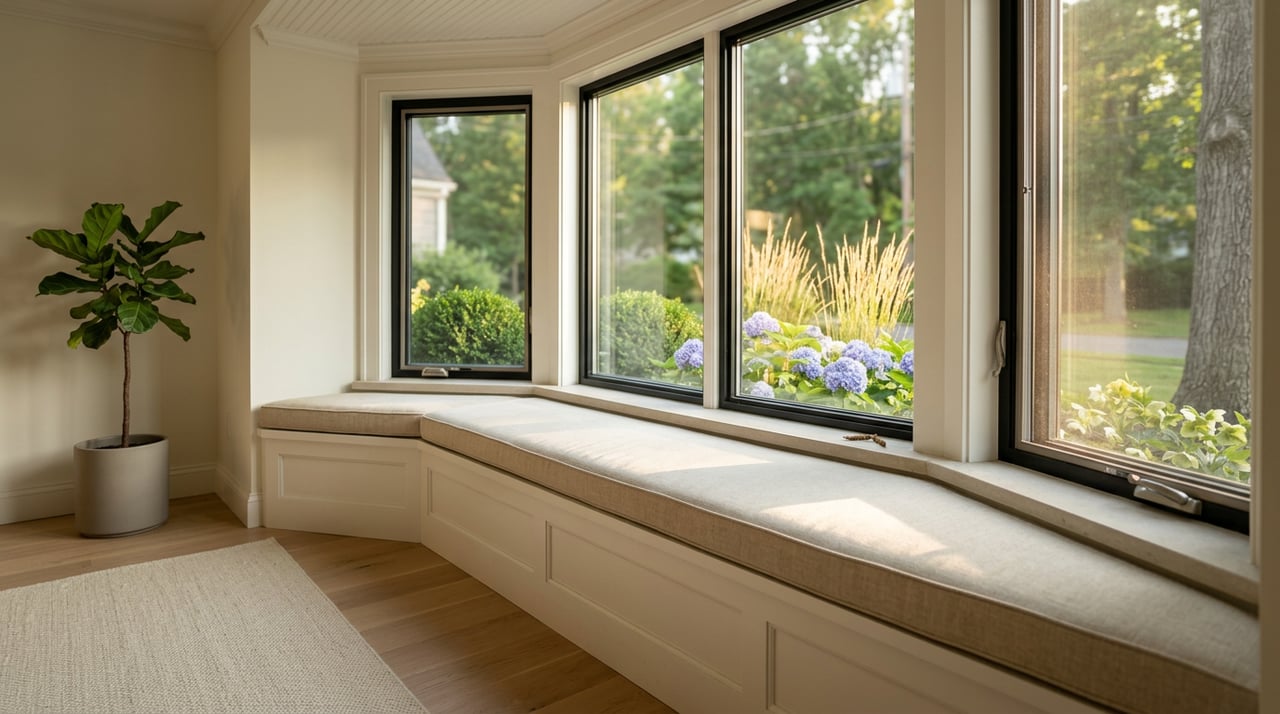
Inside the home, buyers respond fastest to spaces that feel calm, clean, and easy to imagine living in. That is why a thoughtful interior refresh often works better than a full redesign.
The strongest approach is to handle obvious issues first, then simplify the look of the home so it feels open and move-in ready. You do not need every room to look like a magazine spread. You do need the home to feel well cared for and easy to understand.
Pennsylvania seller disclosure law requires sellers to disclose known material defects before the transfer agreement is signed. The law covers issues involving areas such as the roof, basement or crawl spaces, structural problems, water and sewage systems, plumbing, heating and air conditioning, electrical systems, soils and drainage, hazardous substances, and homeowners association or common-interest matters.
From a practical standpoint, this means you should identify known problems early. If something is clearly wrong, it is usually better to address it before the home goes live or be fully prepared to explain it clearly.
According to the National Association of Realtors, staging is not just about furniture placement. It includes cleaning, decluttering, repairing, depersonalizing, and updating the home so buyers can picture themselves in it.
That matters because 81% of buyers’ agents said staging made it easier for buyers to visualize a property as a future home. At the same time, many sellers do not need a full-service staging overhaul. In NAR survey findings, many agents reported recommending decluttering and fixing property faults rather than staging every home completely.
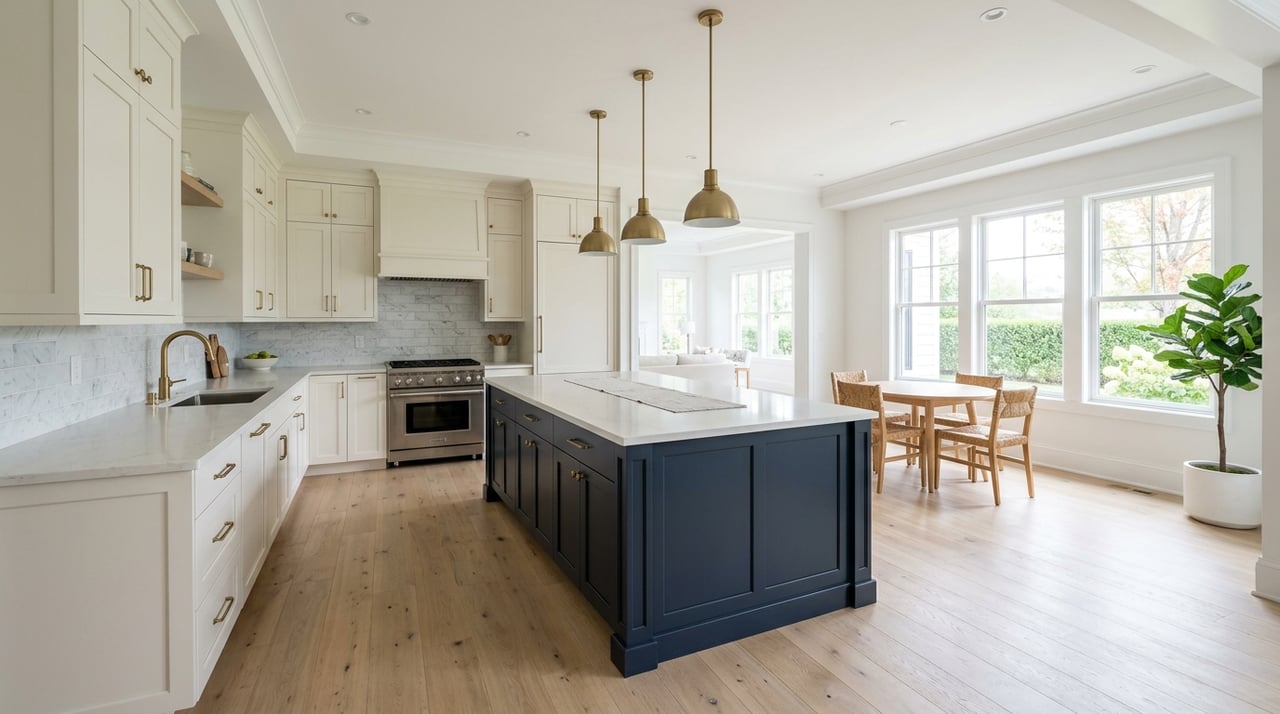
If you want to focus your time and budget, start with the rooms buyers notice fastest. NAR found that the living room, primary bedroom, and kitchen were the most important rooms to stage.
Those spaces tend to carry the emotional weight of the home online and in person. If they look bright, neutral, and functional, the whole property often feels more appealing.
Because online performance matters so much, your prep should support photography just as much as in-person showings. A room can feel acceptable in daily life and still photograph poorly if it is too crowded, too dark, or too personal.
The goal is not to erase all character. The goal is to create a clean backdrop that helps buyers notice space, light, layout, and condition.
Before photography, work through a checklist like this:
These small changes can make rooms look larger, brighter, and more polished in the final listing media.
A successful sale does not start on day one of showings. It starts with how your home is introduced to the market.
NAR reporting shows that photos, descriptions, and early listing performance can influence visibility in search results and buyer alerts. In other words, a strong launch can help your home gain momentum quickly.
In today’s market, professional photography is a core part of marketing, not an optional extra. Since buyers rely heavily on images, the listing needs a strong first photo and a sequence that highlights the home’s cleanest, brightest, and most distinctive spaces.
This is one reason prep work should be finished before the camera arrives. If the home looks polished on day one, you give the listing its best chance to attract attention early.
Sellers consistently say they want help marketing the home, pricing it competitively, and selling within a specific timeframe. Prep work supports all three goals.
When your home is clean, repaired, and well presented, pricing is easier to support, marketing is more compelling, and buyer feedback is often clearer. It becomes much easier to launch with confidence instead of reacting to preventable issues later.
A well-prepared listing is not only about looks. It is also about clarity behind the scenes.
Pennsylvania requires sellers to disclose known material defects before the transfer agreement is signed. If your home was built before 1978, federal lead-based paint rules may also apply. Getting these documents and records organized before listing can help the process move more smoothly.
If possible, pull together:
This is especially helpful for older homes or homes with meaningful updates. Buyers often feel more confident when the home’s history is clear and well documented.
If you are not sure where to begin, keep your focus on the steps that make the biggest difference first. In Cranberry Township, that usually means aligning the home’s condition and presentation with what buyers expect to see online and in person.
Use this order of operations:
This kind of prep is not about perfection. It is about presenting your home clearly, honestly, and competitively from the start.
When you are ready to create a thoughtful plan for your Cranberry Township sale, Emily Wilhelm brings the calm guidance, detailed communication, and polished marketing approach that can help your home stand out.
Stay up to date on the latest real estate trends.
Emily brings a lifetime’s worth of market knowledge and valuable insight into local school districts, property values, neighborhoods, and subdivisions. This provides her clients with helpful guidance pertaining to Franklin Park, North Hills, Marshall, Bradford Woods, Richland, Pittsburgh and the surrounding communities.