A seller in one of Marshall Township's established subdivisions lists a move-in-ready home, watches it sit for five weeks, and starts to worry. A friend mentions that Marshall Township homes average 66 to 70 days on the market, well above the national average of roughly 49 to 53 days. The seller reads that as confirmation: the market has slowed, the price must be wrong, something needs to change.
That conclusion is usually backwards. The average is real. What it measures is not one market moving slowly. It is two markets, running on two different clocks, averaged into a number that describes neither one accurately.
Two products, one township average
Marshall Township's housing stock splits cleanly into two categories that behave nothing alike once they hit the market.
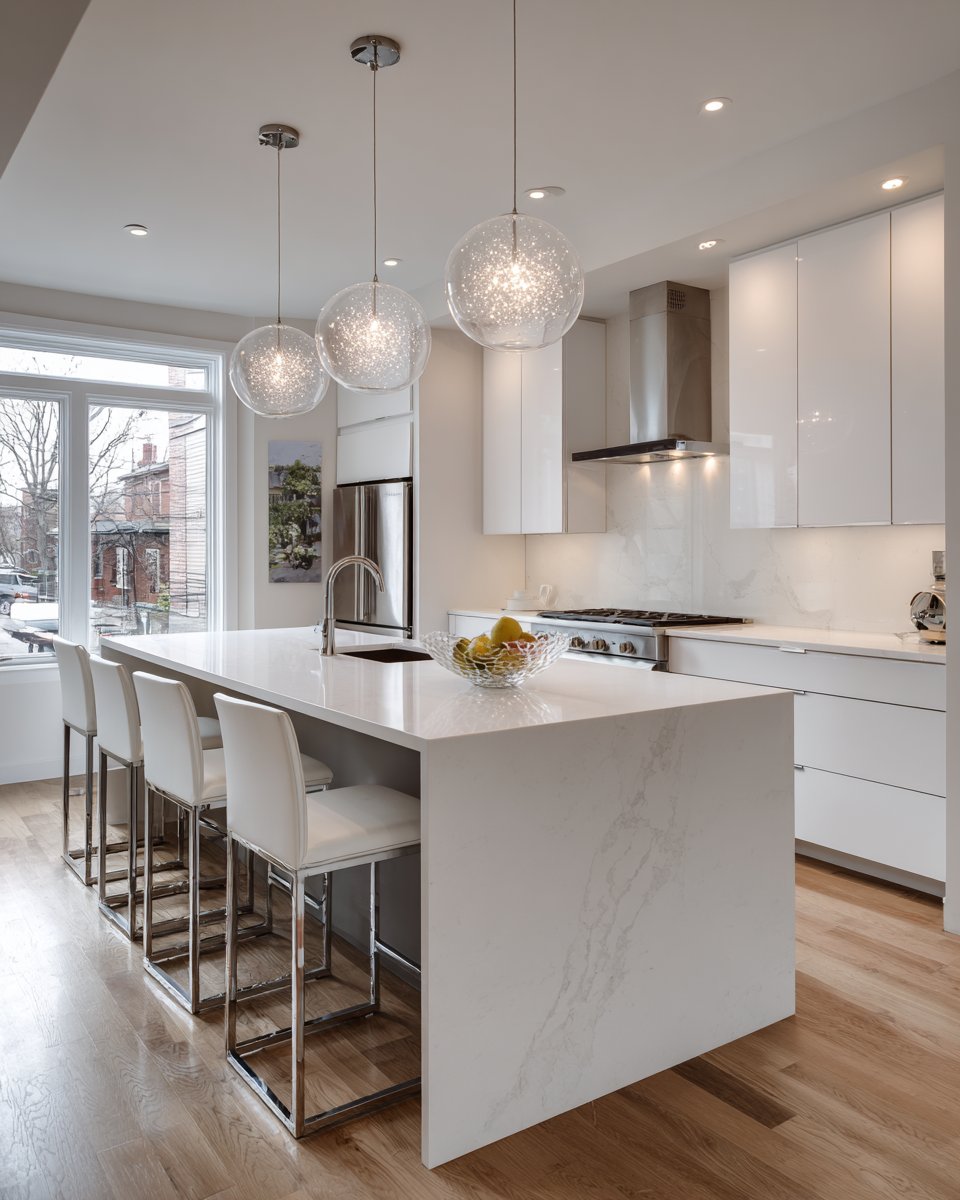
The first is the established subdivision inventory: townhomes and single-family resales in communities like Highpoint, Fairmont Square, Marshall Woods, and Venango Trails, along with the 55-and-over product at Blueberry Hill. These are turnkey homes. A buyer can tour one on a Tuesday and write an offer by Friday. When these homes are priced correctly for the North Allegheny School District draw, they move at a pace close to the national norm.
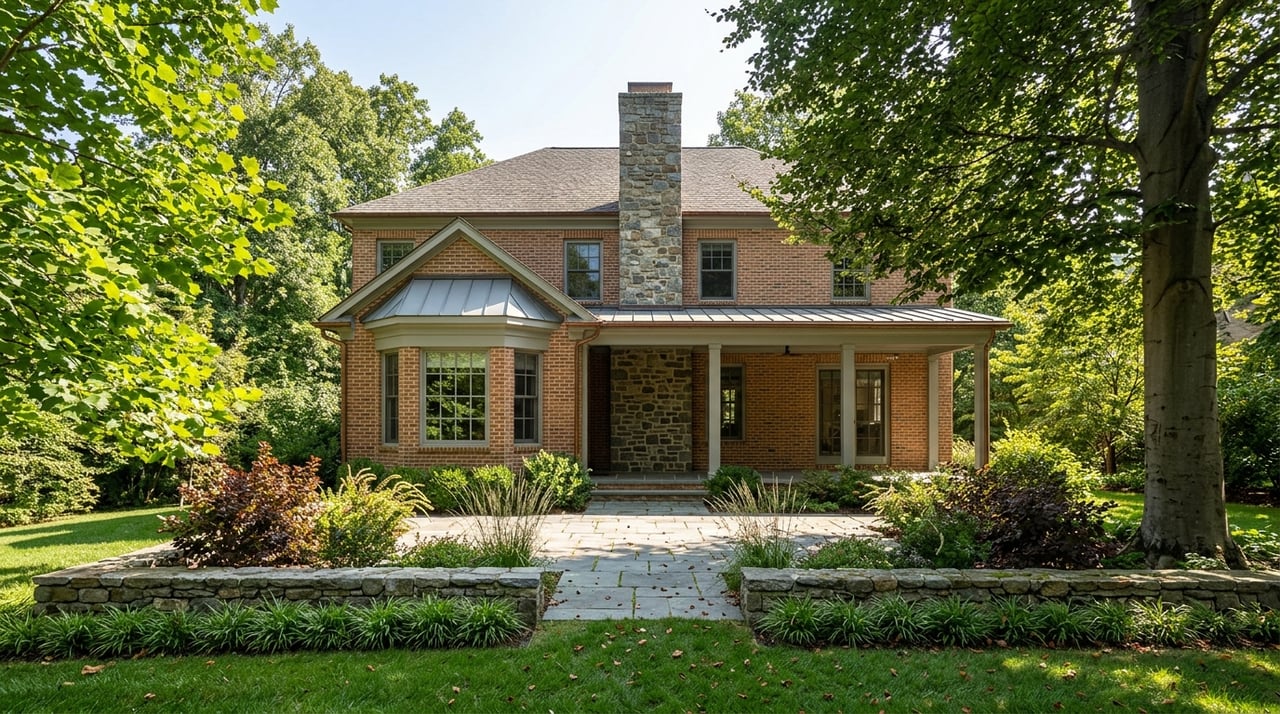
The second category is custom and semi-custom new construction, concentrated in communities like Mallard Pond and Copper Creek. Mallard Pond sits on land Heurich Homes began developing years ago, with builders including Pine Valley Builders and Benjamin Marcus Homes now filling out its remaining phases; a single-family home there recently listed at $629,900, while fully custom builds in the same community run well past that. Copper Creek, marketed in one recent listing as one of the most upscale enclaves north of Pittsburgh, anchors the top of that same custom tier, and at least one Marshall single-family listing in the past year priced near $2.3 million shows how high the township's ceiling actually goes. Marshall Township's median sale price over the trailing 12 months tracked by Homes.com came in at $575,500, up 12 percent from the prior 12-month period, a figure that has to stretch across both of these very different products.
That is not one market. That is a starter-adjacent townhome market and a custom-estate market, filed under the same township name.
Why the slow half isn't actually slow
Here is the part that changes how you should read the 66-to-70-day figure: a custom home in Mallard Pond or Copper Creek doesn't sit on the market the way a stale resale sits on the market. Many of these listings are homes still under construction, tracking toward a builder-set delivery date, or built-to-order on a homesite the buyer selected months earlier. A listing that shows 90 days on market might represent 90 days of drywall, cabinetry, and finish selections, not 90 days of buyer indifference.
When Homes.com or a portal averages every active and recently sold listing across the township, a five-bedroom custom build that took four months to complete gets averaged against a three-bedroom townhome in Fairmont Square that sold in three weeks. The blended number, 66 to 70 days, tells you almost nothing about either transaction. It tells you that Marshall Township contains both kinds of inventory in enough volume to pull the average away from the national baseline.
What this means if you're selling a turnkey home
If your home is a resale in Highpoint, Marshall Woods, Venango Trails, or a similar established community, the township-wide average is not your benchmark. Your comparable set is other turnkey resales, and those typically move closer to the 49-to-53-day national pace when priced to current conditions.
If your home has been sitting for six or seven weeks and you're comparing yourself to the "normal" 66-day township figure, you may be giving yourself permission to wait when the more useful signal is showing up in your own segment. A stalled turnkey listing usually means pricing, presentation, or timing, not a townshipwide slowdown. The fix is a pricing conversation grounded in what similar finished homes in your specific subdivision have actually closed for recently, not a comparison to a blended average that includes homes still being framed.
What this means if you're buying custom
If you're shopping in Mallard Pond or Copper Creek, the extended timeline you're seeing on active listings is not a red flag and it is not leverage. A custom build that has been "on market" for ten or twelve weeks may simply be tracking a normal construction and selection schedule. Assuming a long DOM means a motivated or desperate seller is a mistake specific to this segment, because the clock is often measuring the builder's calendar, not buyer hesitation.
The practical move for a buyer here is to ask directly what the days-on-market figure represents for a specific listing: has it been actively shown and passed over, or is it counting from a construction start or spec release date? The answer changes your negotiating posture entirely.
The demand underneath both clocks
Neither segment is being propped up artificially. The township's underlying demand drivers apply to both. Thorn Hill Office Park has anchored professional employment in the area for decades, and North Allegheny's district reputation continues to be one of the primary reasons families choose Marshall Township over a lower-priced township nearby. Recreational infrastructure like the 116-acre Knob Hill Park, with its disc golf course and the Thorn Hill Trail's two miles of crushed limestone surface, adds the kind of everyday livability that keeps both the entry-level townhome buyer and the custom-estate buyer looking at the same map.
That shared demand is exactly why the two segments can coexist at such different price points and speeds without either one actually being weak. A $439,000 townhome in Marshall Woods and a single-family listing priced near $2.3 million are not competing for the same buyer, so they don't need to sell at the same pace to both be considered healthy.
A quick way to check which clock applies to you
Before you anchor to any number you read about Marshall Township, ask one question: is the home I'm buying or selling a resale in an established subdivision, or a custom or semi-custom build in a newer community? That single distinction tells you which comparison set actually applies, and it's the difference between reading the market correctly and reacting to a number that was never describing your situation in the first place.
Frequently asked questions
Is Marshall Township a buyer's market or a seller's market right now? It depends on which segment you're asking about. Turnkey resales in established subdivisions are trading close to the national pace, which tends to favor sellers who price accurately. Custom new construction moves on a builder's timeline more than a market's, so the usual buyer's-market or seller's-market framing applies less cleanly there.
Should I expect a discount on a custom home that's been listed for several months? Not automatically. Confirm whether the listing period reflects active buyer traffic or a construction and finish-selection schedule. Those are very different situations even though both show the same number of days on the portal.
Does the 12 percent year-over-year increase in median sale price apply evenly across the township? No. A township-wide median blends townhome resales with multimillion-dollar custom builds, so the same caution that applies to days-on-market applies to price trends. A meaningful comparison has to be built from homes of a similar type and community, not the township average alone.
If you're weighing a move into Marshall Township, whether that means a resale in Highpoint or a custom lot in Mallard Pond, the numbers you find online are a starting point, not the full picture. Emily Wilhelm can walk you through what's actually happening in the specific subdivision you're considering, on either side of the transaction. Let's Connect.